Xno Link brings free networking features to consumers making wiFi more accessible and rewarding. Xno Link targets small, medium size business and individual consumers their technology helps enable free wiFi service targeting customers with unused data every month allowing them to allocate those data for free to other consumers
Problems
We constantly surrounded by WiFi hotspots all around us, but these wiFi are only accessible to just the owners or companies owning them, these WiFi more often than not are not utilized completely by the end of the month.
Solutions
Xno-Links collaboration will allow its users capitalize on these unused WiFi, creating a shared space were wiFi is easily accessible to all within its signed network allocating these unused bandwidth to consumers and rewarding the router owners for this provision.
My Role
UX Researcher
UX Design
UI Design
Tools
Figma
Illustrator
Corel Draw
Timeline
6 weeks
Research: 1 week
Design and iterations: 5 weeks
Process
Research and interviews
Conceptualization
Wireframe and LowFi Screens
User Flows
HiFi Screens
Prototyping
Handoff
Research
The beginning stage of the project, I obtained brief and project ideas that client may want, what are the priorities, then I delve into user demographics, the objective here was to understand the need better to help me generate a wireframe and think of user flows and flow chart. My goal was to develop something that my client can showcase to potential investors.
Understanding that my visual representation of the clients ideas is crucial to the overall project I meet with members of the Xno-Link team to hear their thoughts and find a way to represent that in the design, understanding the flow chart was crucial to my design so that was first on the list
Conceptualization
Based on the defined user stories, the team developed five key user flows. Initially, we worked independently and later collaborated in group sessions to review and refine the flows. These user flows were identified as essential to the application due to the varied types of users who would most frequently navigate these paths—such as free WiFi users (guests or account holders), public Node owners, and private Node owners.
Design
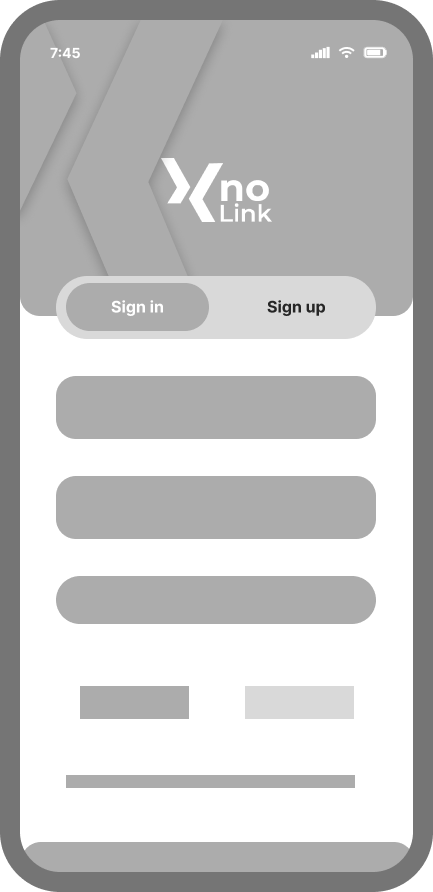
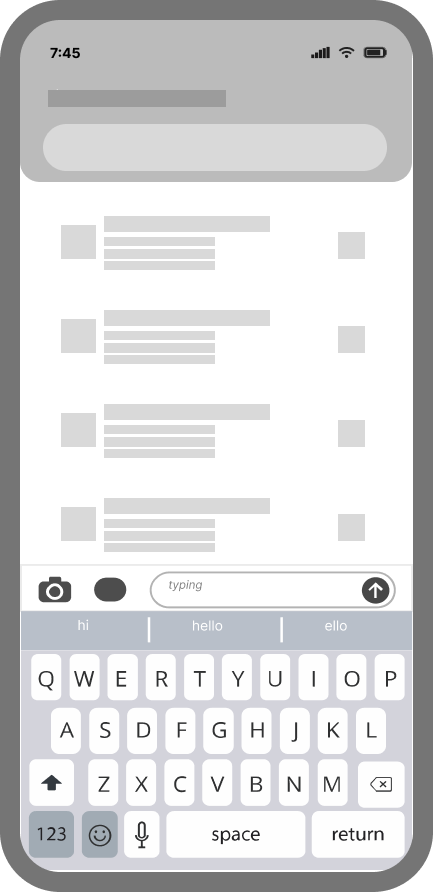
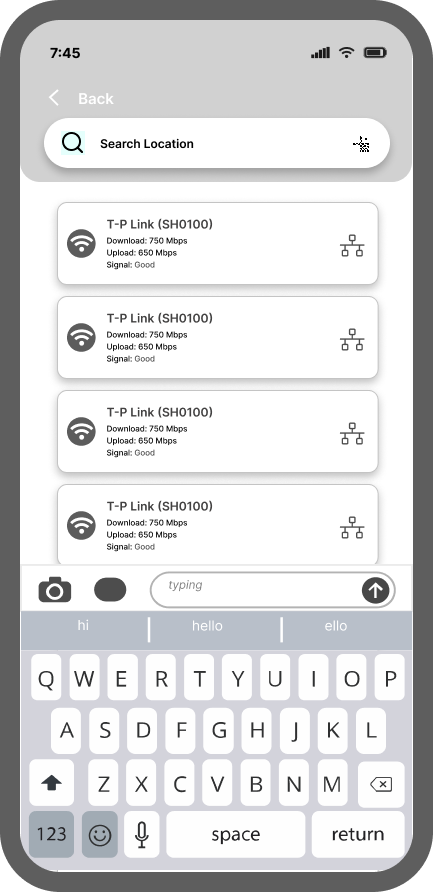
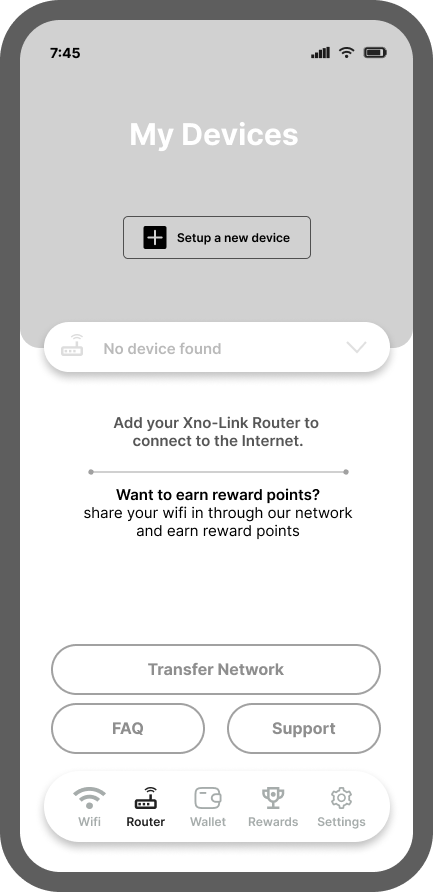
During the beginning phase of the wireframe and Low fidelity design numerous options were explored with iteration for each user flow which was presented to the team during our sessions, client made it clear he wanted all users to be authenticated to bridge any unforeseen security issues and maintain the integrity of the system but knowing all uses within the network who wants to use the service.
Wireframes and Low FI
User Flow and Site Map
In this section, please zoom and pan to view full details of the flow and map
User Flow
Site Map
User Flow
Site Map
High Fidelity Screens
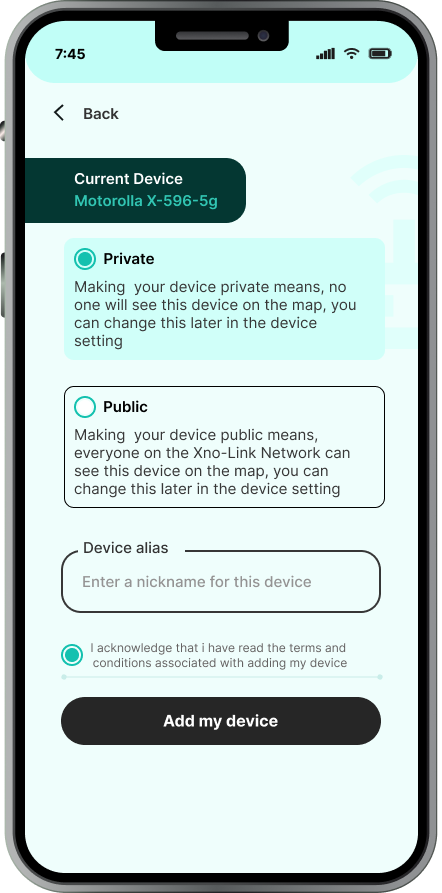
I used clients feed on the wireframe and low fidelity to begin implementing iterations and colors to the initial style to create the first initial HiFi Screens.
I collaborated with another designer colleague on iterations and concept,
Interactive Prototype
Using Figma to develop a prototype of each route. With several iterations in-between, then finally found what works well and continued to work on elements that improve usability of the app.